
Comparison Guide: Patio TV vs. Backyard TV for Outdoor Living
- by Brennan Haelig
-
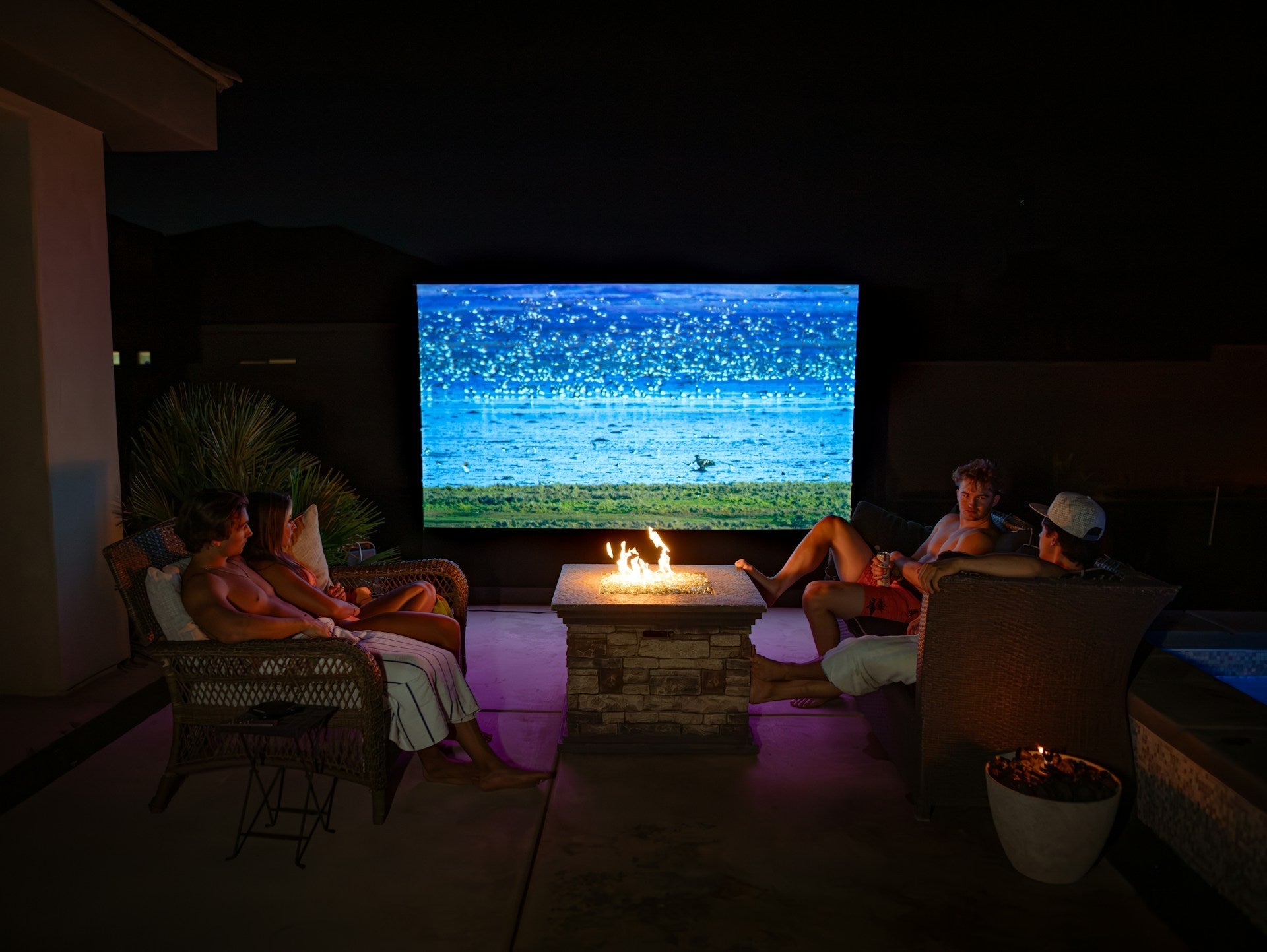
Elevate Fall Entertaining with the Right Outdoor TV
Choosing between a patio TV and a backyard TV matters more than most people think. The right choice can turn cool fall evenings into easy outdoor hangouts, while the wrong one can leave you with glare, weak sound, or a screen that just is not built for the weather in your space.
Here is the simple goal: create an outdoor spot that feels like a second living room. With the right outdoor TV, your patio, deck, or yard can handle football weekends, movie nights, and holiday gatherings long after the sun goes down and the temps start to drop. The big question is not if you should get an outdoor TV, but which style fits your space best. That is what we are going to sort out together.
Patio TV Basics for Covered and Semi-Sheltered Spaces
When we say "patio TV," we are talking about screens made for covered or semi-sheltered spots. Think:
- Covered patios
- Screened porches
- Pergolas with decent shade
- Verandas or breezeways with a roof overhead
These areas usually stay out of direct rain and full midday sun, but they still face humidity, dust, bugs, and big temperature swings. That means an indoor TV is not a safe choice, even if it never sees a drop of rain.
Good patio TVs are designed for partial sun, so you will want to prioritize a few core performance and durability traits:
- Moderate to high brightness so the picture stays clear in daylight
- Wide viewing angles so people can watch from the dining table, couch, or bar area
- Weather resistance for moisture, pollen, and temperature changes
Placement matters, because even a patio TV performs best when it is installed with its environment in mind. In most covered or semi-covered spaces, a solid setup includes:
- Mounting the TV under the roofline or pergola beams
- Keeping it out of direct sprinkler spray and heavy wind exposure
- Using outdoor-rated mounts and, if you like, a weather-resistant soundbar for better audio
This approach works really well when you host small groups, eat outside often, or like to watch a game while grilling. The space feels cozy and protected, and your TV has some built-in shelter to work with.
Backyard TV Essentials for Full Sun and Open-Air Viewing
A true backyard TV is made for open spaces that do not get much natural protection. These are the spots that deal with full sun and harsher weather, like:
- Open decks with no roof
- Poolside seating areas
- Outdoor kitchens without cover
- Fire pit zones out in the yard
In these locations, the TV is exposed to direct daylight, glare, wind, and more moisture. That is where performance really matters. A proper backyard TV needs:
- Ultra-high brightness to stand up to full sun
- Advanced anti-reflective screen technology so you are not staring at your own reflection
- Superior weatherproofing to help protect against rain, snow, and airborne debris
Around pools and open yards, the stakes are even higher. Water, splash, and constant sun can quickly break down gear that is not built for it. A true backyard TV is designed with sealed components, durable materials that resist corrosion, and cooling systems that help keep the TV running in both hot and cool seasons. That way, you can enjoy a fall game by the pool in the afternoon or a late-night movie by the fire pit without worrying about your screen.
Side-by-Side Comparison of Patio TV vs. Backyard TV
Patio TVs and backyard TVs may look similar, but under the hood they are tuned for very different jobs. Here are some of the key technical differences you will usually see:
- Brightness: Patio TVs are bright enough for partial sun, while backyard TVs push brightness much higher for full sun and midday glare
- Screen coatings: Backyard TVs often use stronger anti-reflective coatings to fight harsh reflections
- Weather ratings: Backyard models are typically rated for more direct rain and exposure than patio units
- Temperature range: Backyard TVs usually handle a wider span of hot and cold conditions
The viewing experience also changes based on where you install the TV, because each location creates different challenges for glare, distance, and crowd size:
- Covered porch: Great for Sunday football with friends, where everyone can relax in the shade and the picture stays clean
- Fire pit area: Calls for a backyard TV that can be seen clearly from different angles and distances
- Outdoor gaming: Needs low glare and strong brightness so fast action is easy to see even before dark
- Big neighborhood watch party: In an open yard, a backyard TV with high brightness will keep everyone happy, even those standing off to the side
There is also the risk of using the wrong type of TV. Putting an indoor TV or a lower-spec patio TV out in a fully open yard can lead to early failure, water damage, or picture problems over time. Choosing a backyard TV for those tougher spots is a way to protect your setup and avoid the hassle of replacing gear sooner than you planned.
Choosing the Right Outdoor TV for Your Space and Climate
So which style is right for you? Start with a simple checklist. Stand where you want the TV to go and ask:
- How much direct sun hits this spot, and for how long?
- Is there a roof or shade structure, or is it wide open?
- What is the local climate like for rain, humidity, and winter cold?
- Are you near a pool or water feature with splash or mist?
- When will you use it most: afternoons, evenings, or both?
Once you answer those questions, the general guidance becomes clearer. In general, a patio TV fits well when the area is covered and mostly shaded, the TV is away from sprinklers and heavy splash zones, and you mainly watch in the late afternoon or evening.
A backyard TV is the smarter pick when the space is uncovered or gets strong direct sun, you are near a pool, hot tub, or open deck, the wall or mount faces south or southwest with lots of daylight, and you plan to host larger groups across a wide outdoor area.
Layout details are just as important as the TV itself. A few helpful rules of thumb:
- Screen size: Larger spaces usually call for larger screens so people in the back can see the score or the subtitles
- Mounting height: Place the center of the screen close to eye level when seated for the most comfortable viewing
- Gear: Use outdoor-rated power, cabling, and audio equipment so your whole setup is built for the weather, not just the screen
Make Your Outdoor Living Space Game-Day Ready
Fall is a great time to upgrade your outdoor space, before the big games, long weekends, and holiday get-togethers pile up. Deciding whether you need a patio TV or a backyard TV comes down to where you plan to install it, how much sun the area gets, and how you want to use your space once the air turns crisp.
At Titan Outdoor Televisions, we focus on weatherproof, high-brightness outdoor TVs that are built for different light levels, from covered patios to full-sun yards. We always suggest measuring your space, watching how the sun moves across your yard during the day, and thinking about your favorite way to relax outside in the fall. When patio TV and backyard TV choices match the real conditions in your space, your outdoor area quickly becomes the go-to hangout spot for bright, clear, worry-free entertainment all season long.
Transform Your Backyard Into a Premium Entertainment Space
Upgrade your outdoor living area with a weather-ready backyard TV designed to perform beautifully in sun, rain, and everything in between. At Titan Outdoor Televisions, we build durable, high-visibility displays so you can enjoy game day, movie night, or family gatherings outside with confidence. If you have questions about sizing, placement, or installation, contact us and we will help you plan the perfect setup.


Please upload banner from store admin blog pages
