
Indoor vs. Outdoor TV: Total Ownership Cost Breakdown
- by Brennan Haelig
-
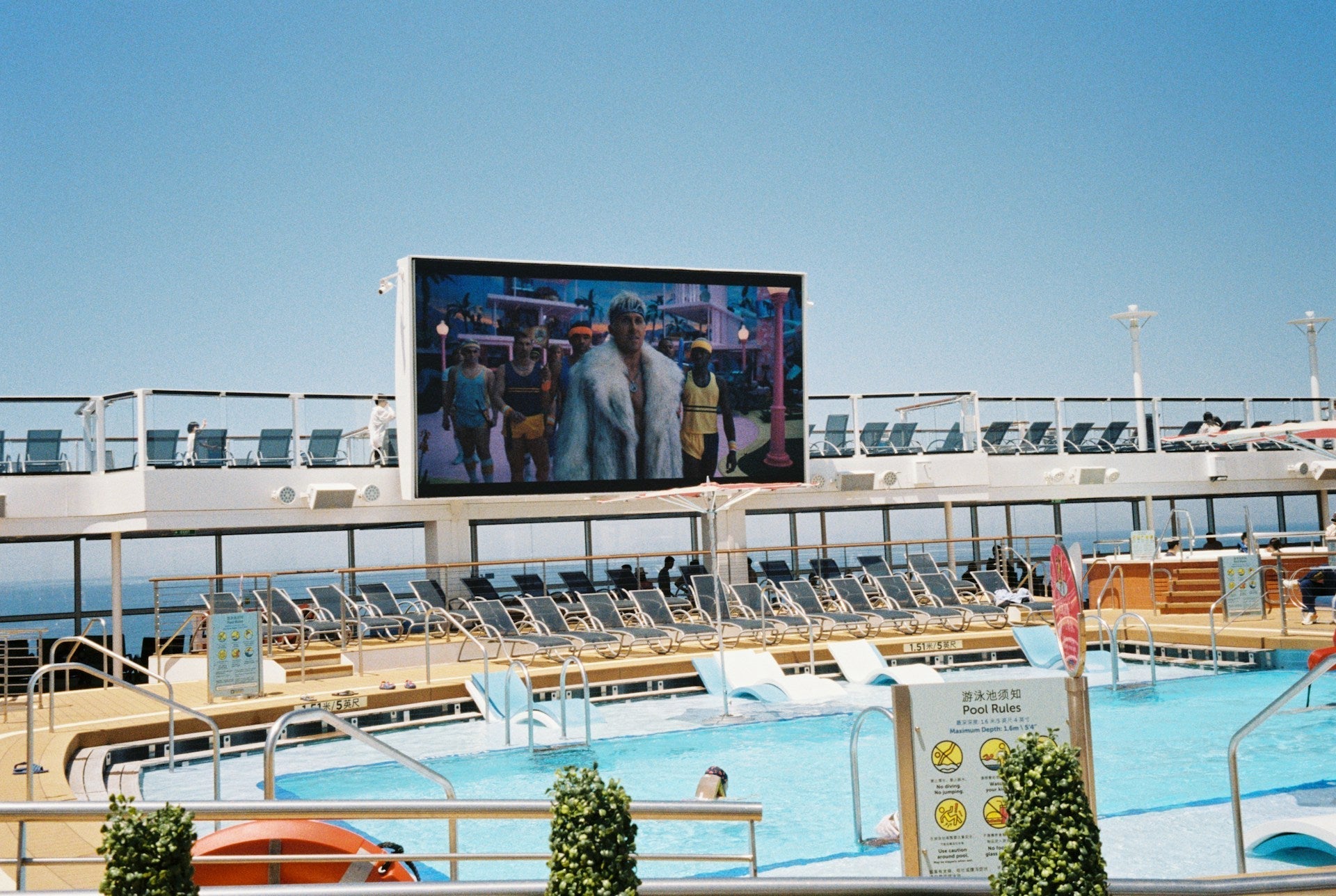
Stop Burning Money Putting Indoor TVs Outside
Putting an indoor TV on the patio feels smart at first. The set is cheap, you drag it outside, hang it on the wall, add a fabric cover and call it good. Then the sun hits, the picture looks dull, the remote hardly works, moisture sneaks in, and one day the screen just does not turn on.
We talk to a lot of people who go through two or three indoor TVs outside before they add up what they spent. That is when they realize a real weatherproof TV would have cost less over time and given them a better picture from day one. Our goal here is to walk through the true cost of ownership so you can see where your money is actually going.
An indoor TV is built for one thing, a climate-controlled room. A purpose-built outdoor TV is designed for full sun, partial sun, or covered patio use, with sealed electronics, brighter screens, and protection against rain, bugs, and temperature swings. That difference is what decides if your outdoor setup is a joy to use or a constant headache.
How Outdoor Environments Destroy Indoor TVs
Outdoor spaces are tough on electronics. Even here, where we enjoy plenty of patio weather, the mix of heat, humidity, and sudden storms can ruin an indoor TV in short order.
Outside, your TV has to face:
- Direct sun and glare that wash out the picture
- Heat buildup inside the cabinet
- Humidity, rain, and blowing mist
- Dust, pollen, and insects working their way inside
- Temperature swings from hot afternoons to cool nights
Indoor TVs are not sealed for this. Common failures include:
- Unreadable screens in daylight, so you crank brightness to the max
- Condensation inside the panel that never quite dries out
- Corroded boards and connections that cause random shutoffs
- Warped plastic or clouded screens from heat
- Sudden power or backlight failure after a storm or heat wave
Those failures do not just ruin movie night. They come with real costs. A lot of people rush out for a last-minute replacement before a big game or a party. For a bar or restaurant with an outdoor patio, a dead TV on a busy night can mean lost drink and food sales, upset guests, and extra stress while you scramble for service or a new unit.
The Real Math of Indoor TV Outdoors vs. Weatherproof TV
On paper, the indoor TV looks like the bargain. You can grab one from a big box store, add an outdoor cover and a so-called weather-resistant mount, and still keep the upfront cost lower than a purpose-built outdoor TV.
But that is only the first chapter of the story. Once you spread things over three to five years, the numbers usually flip. Here is how the cost of ownership tends to break down:
Indoor TV outdoors
- Lower initial purchase price
- Extra cost for a cover and better mount
- Shorter life when exposed to heat and moisture
- Higher chance of repairs or full replacements
- Extra labor every time you swap a dead unit
Weatherproof TV
- Higher initial purchase price
- Outdoor-rated mount designed for the weight and conditions
- Longer lifespan in sun, rain, and temperature swings
- Fewer surprise failures and emergency trips to the store
Indoor TVs outside often run at full brightness to fight glare, which creates more heat inside the unit. Heat is the enemy of electronics. A purpose-built outdoor TV is engineered to run brighter and cooler, with sealed housings and components chosen for harsh conditions. That design gives you more predictable costs over time, instead of hoping your indoor TV makes it through another summer.
Hidden Costs Most Buyers Forget to Budget
When people compare an indoor TV to a weatherproof TV, they tend to look only at the sticker on the box. The hidden pieces can add up fast.
Covers and enclosures are the first trap. Fabric covers can hold in heat and moisture if you slip them on while the TV is still warm. Hard enclosures add bulk and can make the picture harder to see from an angle. Both add friction to using the space. If it feels like a chore to unzip, unlatch, or uncover the TV every time, you will use your patio less.
Things to think about with covers and boxes:
- Upfront cost for something that still is not true weatherproofing
- Time and hassle every time you want to watch
- Missed spots where moisture, dust, or bugs still sneak in
- Wear and tear on zippers, seams, and foam seals
Then there is the hardware that holds everything up. Standard indoor mounts can rust and weaken outside. Outdoor-rated mounts, conduit, and electrical protection are different products, and they matter for safety. Exposed cables can crack from sun and temperature, which leads to signal problems or worse.
Every repair or replacement usually means:
- A service call fee or installer labor
- Timing headaches around holidays and big events
- Downtime when your outdoor space sits dark and unused
For homes, that is lost enjoyment. For businesses, that can be lost revenue when your screens are part of how you draw guests in.
Why Warranties Tell the Truth About Outdoor Readiness
If you want a quick reality check on outdoor readiness, read the warranty. Most indoor TV warranties are written for indoor use only. Once that TV goes outside, even under a covered patio, the warranty is often void. That means any failure from condensation, bugs, or temperature swings is on you.
Weatherproof TV warranties speak a different language. They are written with things like full sun, year-round exposure, and wide temperature ranges in mind. When a manufacturer says the TV is designed for outdoor use and backs it with a warranty, they are putting clear guardrails around your risk.
A solid outdoor TV warranty:
- Covers the type of installation you actually want outside
- Makes the true cost more predictable over the life of the TV
- Shifts more of the risk from you to the manufacturer
Instead of random emergency costs, you are making a known investment that is meant for the job.
When Upgrading to a Weatherproof TV Pays Off
So when does it really make sense to stop rolling the dice with indoor TVs and move to a weatherproof TV? It usually comes down to how often you use the space, how tough your local climate is, and how long you plan to enjoy that patio or outdoor bar.
Here are some simple rules of thumb:
- If you watch outside several times a week, a weatherproof TV usually pays off sooner
- If your area sees hot summers, humidity, or frequent storms, indoor TVs tend to fail faster
- If the TV is part of your business experience, downtime costs you more than just a new screen
A covered residential patio in mild shade might stretch the life of an indoor TV, but glare and humidity will still be an issue. Pool areas and rooftop decks are harder on gear, with more direct sun, reflections off water, and open exposure. For restaurants and bars with outdoor seating, consistent picture quality and reliability are part of what keeps guests staying for one more round or one more game.
Before late summer hits, it helps to step back and look at the full picture. Count how many indoor TVs you have gone through outside, what you spent on covers and mounts, and how many times a dead screen ruined your plans. Then compare that to a single weatherproof TV chosen for full sun, partial sun, or covered patio viewing. For many homes and businesses, that is the point where the upgrade stops feeling like a splurge and starts looking like the smarter long-term move.
Get Started With Your Project Today
Transform your outdoor space into a true entertainment destination with a premium weatherproof TV from Titan Outdoor Televisions. We will help you choose the right setup so your screen and sound perform flawlessly in every season. If you are ready to plan your installation or have questions about your unique space, simply contact us and our team will walk you through the next steps.


Please upload banner from store admin blog pages
