
Streaming Stick Survival: Choosing Weatherproof Options for Outdoor TVs
- by Brennan Haelig
-
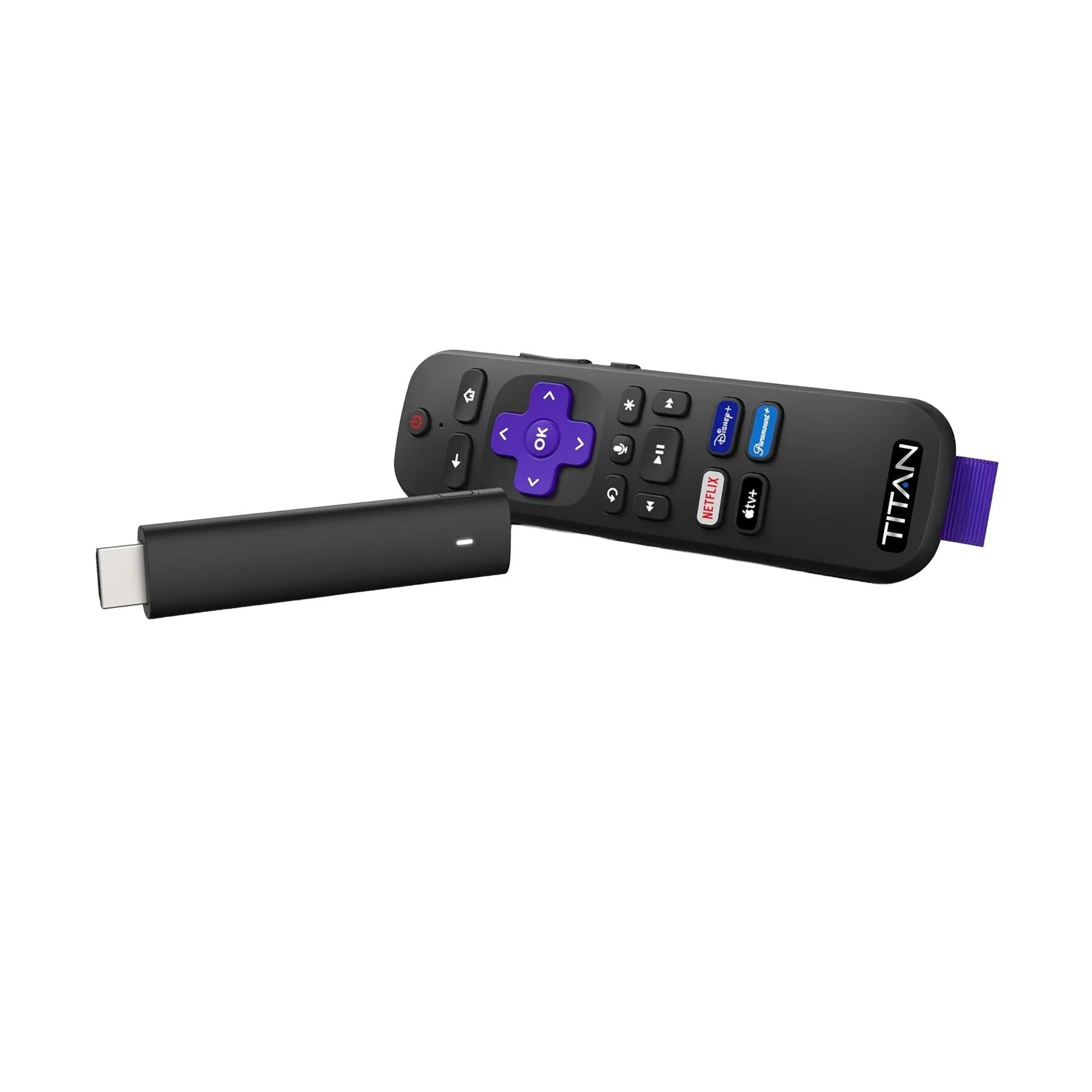
Transform Your Patio Into a Seamless Streaming Zone
Outdoor streaming should feel simple. You grab the remote, sink into a chair, and your favorite shows and games roll across a bright, clear screen, even when the sun is still hanging low in the sky.
More and more people are pairing outdoor TVs with small streaming sticks. It makes sense. These tiny devices bring all the apps you love outside. But there is a catch: most of those sticks are built for comfy living rooms, not hot patios or damp fall nights. That mismatch can cause glitches right when the party gets going.
In this article, we will talk through why standard streaming sticks struggle outside, what “weatherproof streaming sticks” really mean, and smart ways to protect your devices so your outdoor Titan TV stays reliable from late summer through football season and beyond.
Why Standard Streaming Sticks Struggle Outside
Streaming sticks are great indoors, tucked behind a TV on a quiet wall. Outside, they face a very different world. Heat, cold, moisture, and direct sun all hit harder.
Common problems with indoor-only sticks outside include:
- Overheating and slowing down during hot afternoons
- Apps freezing or crashing in the middle of a big game
- Sudden reboots just as a movie hits the best part
- Plastic cases warping or fading from long hours of direct sun
- Power adapters failing after getting damp from rain or sprinklers
Late summer brings blazing sun on patios and decks. Labor Day parties run for hours, with people opening doors, grilling, and moving around the TV. Cool, damp nights can leave condensation on surfaces. All of this can stress small electronics.
Another issue is simple placement. Many streaming sticks have short HDMI and power cables. That often forces you to plug them right into the back of the TV, sometimes in the hottest, least protected spot. Behind an outdoor TV, you can trap heat, block airflow, and put the device closer to the weather.
Our outdoor TVs are built for these conditions, with brightness and weather protection designed for real backyards. But when they are paired with an unprotected indoor streaming stick, the weak link can drag the whole setup down and make a premium outdoor screen feel less reliable than it should.
What Weatherproof Streaming Sticks Really Need to Survive
When people say “weatherproof streaming sticks,” they are usually not talking about a device sitting bare in a thunderstorm. They want a setup that can live outdoors or near outdoors and still work day after day.
A streaming setup that holds up outside needs:
- A wide operating temperature range, so it runs in summer heat and cool fall evenings
- A solid power supply, protected from moisture and sudden power spikes
- Ports and connections that are shielded from dust and spray
- A case or enclosure that sheds water and lets heat escape instead of trapping it
You may also see IP ratings, which describe how protected a device is from dust and water. Most streaming sticks are not IP rated, but that does not mean you cannot make the total system weather resistant. The “system” includes the stick, the enclosure or box you place it in, the cables, and the power source.
Wi-Fi strength matters too. Outside, your router is often farther away and the signal has to pass through walls and windows. Strong Wi-Fi radios and dual-band support help, so you can use 5 GHz for fast streaming when the signal is strong and 2.4 GHz when you need a longer reach.
When you combine a bright, weatherproof Titan outdoor TV with a carefully protected streaming device, you get a setup that feels built for backyards. It can handle late-summer pool parties, quiet movie nights under blankets, and early fall watch parties without constant fiddling or resets.
Smart Ways to Protect Streaming Devices with Outdoor TVs
The most reliable way to protect a streaming stick is to keep it indoors. Then you simply send the signal to your outdoor TV.
Some popular approaches include:
- Mounting the streaming stick near your indoor router or media cabinet
- Running HDMI through a wall to the outdoor TV
- Using HDMI extenders over Ethernet for longer runs
This keeps your tiny streaming device in a calm, climate-controlled space, while your Titan outdoor TV does the hard work outside.
If you need the streaming stick closer to the outdoor TV, semi-outdoor strategies can work well. For example, you can use:
- Weather-resistant junction boxes mounted behind or under the TV
- Conduit to protect HDMI and power cables
- Specialty enclosures that shield devices from rain but still allow airflow
Positioning is key. Avoid direct sun when possible. Tuck the device on the underside of a mount or shelf, not on top where heat and UV hit hardest. Keep it away from sprinkler lines, outdoor sinks, or grills. Always leave some air space around the device or box so heat can escape.
Do not forget about power and cables. Outdoor setups benefit from:
- GFCI outlets for safety
- Surge protection to help guard electronics from power spikes
- Outdoor-rated extension cords, when needed
- Strain relief for HDMI and USB cables so they stay snug over time
Our TV designs, mounts, and cable routing paths make it easier to hide streaming devices in protected spots. You can keep your patio or pool area clean and stylish while tucking the tech out of sight and out of trouble.
Best Practices for Weatherproof Streaming Sticks in Every Season
Late summer and early fall are prime time for outdoor streaming. From end-of-summer block parties to big football games, your outdoor TV sees heavy use, sometimes for hours at a stretch.
In warmer months, focus on:
- Shade, especially during afternoon and early evening
- Ventilation for any box or cabinet that holds electronics
- Checking device temperature by touch from time to time
As nights cool down, think more about dew and moisture. Overnight temperature swings can bring condensation. Make sure:
- Cables are off the ground and not sitting in puddles
- Connections are snug and protected from spray
- Any boxes or enclosures drain easily and do not trap water
Wi-Fi and network setup can make or break outdoor streaming. Many homeowners find it helpful to:
- Add a mesh node or access point closer to the patio
- Use 5 GHz when the signal is strong, then switch to 2.4 GHz for better reach when needed
- Test streaming quality around the same time of day you plan to host friends
Keep your streaming device updated. Firmware and app updates fix many bugs that cause freezing or random restarts. Since rebooting a misbehaving stick might mean going outside in the dark or in the rain, a little maintenance ahead of time can save a lot of hassle.
It also helps to build in backup options. Some people like to have:
- An alternate streaming device kept indoors
- Over-the-air antennas for local channels and big games
- A built-in smart TV platform ready as a simple fallback
Build a Reliable Outdoor Streaming Setup That Lasts
True, fully weatherproof streaming sticks are rare. But a smart, weather-resistant streaming setup is very doable when you think about the whole system instead of just one device. A Titan Outdoor Television gives you the bright, durable screen. Careful placement, protective enclosures, and strong networking take care of the rest.
Take a look at your current setup. Where does your streaming stick live? How hot does that spot get at sunset? Are the cables and outlets meant for outdoor use, or are they short-term fixes that could fail at the worst time?
By matching the right Titan Outdoor Television to your sun exposure, planning clean cable runs, and choosing a streaming strategy that keeps small devices safe, you can build an outdoor space that works smoothly from the last warm nights of summer through cool fall weekends and far beyond.
Upgrade Your Outdoor Streaming Experience With Reliable Gear
Enjoy your favorite shows outside in any season with our weatherproof streaming sticks designed to perform in real-world conditions. At Titan Outdoor Televisions, we help you match the right streaming solution to your outdoor setup so you get a simple, dependable experience every time you press play. If you have questions or need help choosing the best option for your space, just contact us.


Please upload banner from store admin blog pages
