
How All Weather Outdoor TVs Hold Up In Humid Outdoor Conditions
- by Brennan Haelig
-
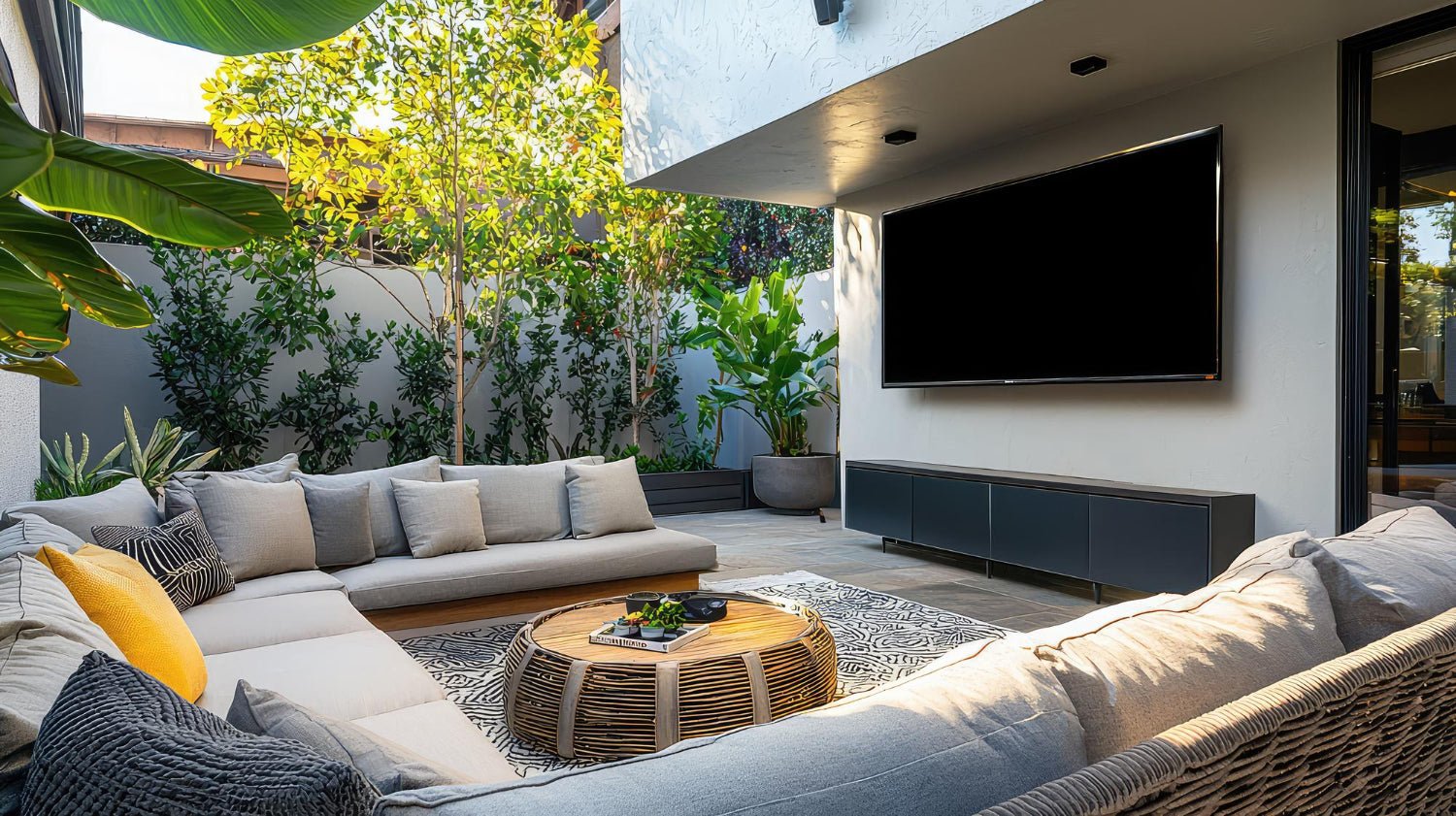
Summer brings more than sunshine. It brings people outside, onto patios, decks, rooftops, and backyards, and when they head out, they often want the comfort of indoor life to come with them. That includes a reliable screen for watching shows, catching a game, or looping music videos on a warm night. But not every TV is made to stand up to summer heat and sticky air.
Humidity can be a challenge. It clings to everything. Over time, it wears down electronics that aren’t made for outdoor use. That’s where the right gear makes a difference. An all weather outdoor TV is built exactly for these moments. It keeps working when the air feels close and damp, and it does it quietly, without fuss.
Built to Beat the Moisture
Anyone who’s spent time outdoors in summer knows that the air can feel thick. That moisture doesn’t just stick to your skin, it slips into electronics too. Regular TVs aren’t built to stop it. Once humidity starts seeping in, things like foggy screens or slow breakdowns become common.
But outdoor TVs are built differently. Their bodies are sealed up tight so moisture can’t sneak inside. It’s not just about keeping water out during heavy rain. It’s about protecting internal parts all the time, even when it’s just slightly damp every day. These screens usually have:
- Sealed ports that block out damp air and insects
- Treated wires that resist damage over time
- Tight display frames that keep air from collecting inside
This design helps avoid slow-burn damage that can take weeks or months to show up. When you live in an area where it feels like the air stays wet all summer, that protection isn’t just helpful, it’s necessary.
Materials That Matter
The difference between an indoor and outdoor TV often starts with the build. Indoor TVs are made to breathe. They have vents and open frames because they're sitting inside a climate-controlled room. Outside, where humidity and heat change all day long, the same designs just don’t last.
All weather outdoor TVs skip the open vents. Instead, they focus on strength and seal. We look for builds that include:
- Powder-coated frames that resist rust
- Thick, anti-glare glass that keeps condensation from blurring the picture
-
Rubber-sealed joints that keep out moisture at every connection point
Each material plays a small part in preventing humidity from turning into a bigger problem. Together, they help the screen stay dry inside and look clear on the outside. That’s the difference that keeps the TV running from one hot week to the next.
Every all weather outdoor TV at Titan Outdoor Televisions is built with military-grade NanoflowX nanocoating. This IP65-rated treatment shields electronics and connections against humidity, rain, and dust, with each unit assembled and tested in Dallas, Texas, to ensure reliable performance throughout humid months.
How Humidity Affects TV Performance
When moisture makes its way into a screen, the signs show up faster than people expect. One day the picture works fine, and the next, it might flicker, freeze, or show odd static when it never did before. These glitches are often caused by damp parts inside the screen or old cables that let dampness creep in.
Once it's inside, humidity can affect nearly any part of the TV. The screen might lag on warm nights. Brightness can drop, or audio can glitch. Boards inside the TV are sensitive to condensation, especially the ones that control power and display signals.
With outdoor TVs, most of those weak spots are protected or sealed. That means they can hold their picture, sound, and settings longer, even if the air outside feels heavy. An all weather outdoor TV doesn’t just survive summer settings. It stays steady when other screens might struggle.
Humidity is pesky and often sneakier than we realize. Often you only notice an issue after it’s already begun causing problems inside the screen. When the weather shifts from dry to sticky, these effects can happen surprisingly fast, with no external hints until the performance noticeably drops. Even televisions that seem fine at the start of the season can feel the effects by the middle of summer. Planning ahead with the right outdoor gear from the start can help avoid this cycle of frustration.
The Importance of Placement and Shelter
Even the best outdoor TV works better when it rests in the right spot. Heat and humidity are hard to avoid, but where we place the screen helps reduce the wear. We try to keep TVs under cover or in naturally shaded areas so they don’t sit in direct sun all day. Extra heat combined with high humidity just speeds up damage.
We also look at airflow. Spaces with poor air movement hold damp air longer, especially in corners or cubbies where air doesn’t pass through. Avoiding low areas near the ground matters too, since those spots often stay cooler and damper.
Some helpful placement tips include:
- Mounting TVs on shaded walls or under patio covers
- Keeping screens at least a few feet above the ground
-
Using clean cable routes to avoid exposed or wet wires
Making these small decisions at the start can give your setup a better chance against the toughest weather. When you control where humidity can collect, you’re giving your screen a fighting chance. These steps may sound basic, but good placement and airflow can make a big difference over months of use.
All of this helps the screen get just enough protection to stay in good shape through one summer and beyond. The combined effects of cover, airflow, and smart cable management help reduce unseen wear and let your TV deliver sharp images and steady sound even when the summer feels endless.
What Lasts All Summer Long
Humidity doesn’t take a break during warm months. It makes movie nights muggy and turns hardware sticky fast. That’s why picking the right equipment for outdoor areas matters more than ever by mid-summer.
When we use an all weather outdoor TV, we get the kind of build that handles moisture without letting it get in the way. Whether guests watch under an awning or out in the breeze, the screen holds up to long stretches of thick air and surprise showers. With the right placement and hardware, outdoor viewing stays smooth and steady even in the stickiest parts of the season.
Summer entertainment deserves equipment that’s strong enough to keep up. There are plenty of interruptions in outdoor living during the warmest months, but your TV shouldn’t be one of them. With a focus on all weather builds, careful placement, and understanding how moisture sneaks in, you can count on steady screen time for every gathering from June to late August.
At Titan Outdoor Televisions, we understand the importance of dependable technology that stands up to changing weather. No matter how humid or hot it gets, proper placement and peak performance go hand in hand. That’s why our screens are engineered to thrive in tough conditions without sacrificing picture quality. To make the most of every summer day, check out our lineup of all weather outdoor TV models built to handle the season from start to finish. If you have questions or need guidance choosing the perfect fit, let us know.


Please upload banner from store admin blog pages
