
What Brightness Do You Need for an Outdoor Television?
- by Brennan Haelig
-
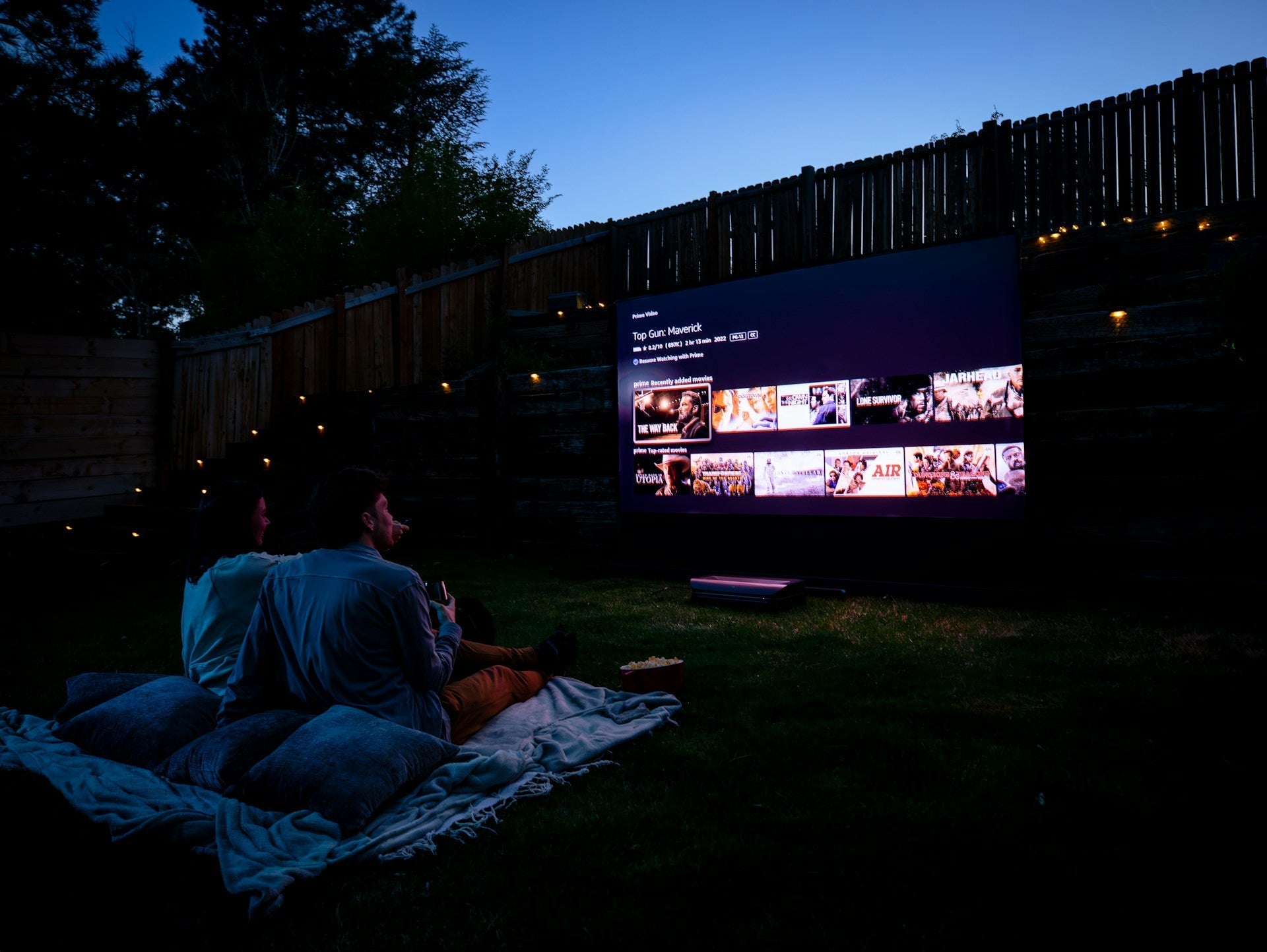
Why Outdoor TV Brightness Matters
When you are choosing an outdoor television, brightness is just as important as size or design. Sunlight, reflections, and open air can all wash out a screen that looks great indoors. If the picture looks dull or gray, no one cares how big it is.
Brightness for a TV is measured in nits, which is a way to describe how much light the screen puts out. Indoor TVs are built for darker rooms, so their brightness range is usually fine for a living room but not for a patio or pool deck. Outdoor TVs have to fight the sun, not just a lamp in the corner, so they need a lot more light power to stay clear.
At Titan Outdoor Televisions, we focus on what brightness is right for outdoor TVs in real spaces people actually use, like patios, pool areas, and commercial spots. Once you understand nits and how they relate to shade and sun, it gets much easier to pick the right outdoor television for your yard or business.
Understanding TV Brightness in Simple Terms
To pick the right brightness for your outdoor television, you first need to understand what nits are and why they matter outside. A nit is a unit that measures how bright a TV screen is. The bigger the nit number, the brighter the TV can get.
Most indoor TVs usually sit in a range that feels fine when the blinds are closed and lights are dim. In that setting, they look sharp and colorful. Take that same TV outside at noon and it can look faded, even if it seemed bright in the store.
Outdoors, you are not just fighting direct sun. You are dealing with:
- Reflections off water, glass, and light-colored walls
- Open sky brightness, even on cloudy days
- Changing light as the sun moves across the yard
There are other things that affect how bright a TV looks, like contrast ratio and anti-reflective coatings, but in this guide, we are focusing mainly on nit levels. Getting the right brightness range is the foundation for a good outdoor viewing experience.
Picking the Right Brightness for Your Space
Every outdoor area is different, so the right brightness for one backyard might not work in another. The simplest way to think about it is to match brightness to how much sun hits the screen.
1. Fully Shaded Areas
Covered patios, pergolas, and screened porches are usually safe from direct sun. There is still plenty of ambient light, but it is softer and easier to control.
For a shaded patio, an outdoor television in the 500 to 800 nit range is often ideal. That is bright enough to keep colors from washing out, even during the day, but not so intense that it feels harsh.
In these shaded spots, many people are tempted to use a regular indoor TV. Even here, a purpose-built outdoor TV usually wins, because it is brighter, made for temperature changes, and designed to handle moisture.
2. Partial Sun and High Ambient Light
Open patios near large windows, spots that catch indirect sun, and areas that go in and out of light all day fall into this group. The light level swings a lot, and reflections can change by the hour.
For partial sun areas, an outdoor television in roughly the 800 to 1,500 nit range works well. This range helps:
- Keep the picture clear when a cloud moves and the sun pops out
- Fight glare from nearby surfaces
- Maintain color and contrast from late morning into the evening
If your seating area is comfortable during the day without sunglasses, but the space still feels bright, this midrange brightness is usually a smart choice.
3. Full Sun and Direct Exposure
Pool decks, rooftop bars, open courtyards, and south-facing walls can leave a TV sitting in full, direct sun for long stretches. This is the toughest setting for any screen.
A full-sun outdoor television may require 1,500 nits or more to stay visible at midday. Commercial-grade models in this category can reach very high brightness levels so the picture does not disappear when the sun is overhead.
In these harsh spots, you want:
- Very high brightness, often 1,500+ nits
- Strong anti-reflective and anti-glare technology
- A screen designed to handle heat from both the sun and the TV itself
If people will be watching sports or shows all day in this kind of space, skimping on brightness quickly leads to frustration.
Why Indoor TVs Fall Short Outside
An indoor TV may look bright in your living room, but it simply cannot match the nit levels or durability of a purpose-built outdoor television. Even if it seems bright enough in the store, the story changes the moment it goes outside.
Indoor models usually have:
- Lower brightness levels, so they wash out in daylight
- No outdoor-specific anti-glare coatings tuned for sun
- Panels not designed for ongoing heat and UV exposure
There are also safety and durability issues. Outdoor spaces bring rain, humidity, temperature swings, dust, insects, and wind-blown debris. An indoor TV is not built to handle that environment, and the risk of failure or damage goes up quickly. Even if you only focus on brightness, indoor sets are at a disadvantage, and once you add weather to the mix, the gap gets even bigger.
How Brightness Affects Comfort and Picture Quality
Choosing an outdoor television with the right brightness ensures sharp, colorful images that stay comfortable to watch on bright afternoons. When a TV is too dim for the space, your eyes work harder. People lean forward, squint, or shade the screen with their hands, which defeats the whole point of relaxing outside.
The right brightness helps with:
- Color accuracy, so reds, blues, and greens stay vivid
- Detail, so shadows, faces, and text stay clear in daylight
- Eye comfort, so you are not straining to see every scene
Outdoor TVs built for higher brightness are also designed to keep that performance over time. If you try to push an indoor TV to its limits outdoors, it may dim faster or show image problems sooner, especially under strong sun and heat.
Choosing the Right Brightness with Titan Outdoor Televisions
Before buying an outdoor television, measure how much direct sunlight hits the wall or mount location at peak hours. Think about when you watch the most, how far the seating is, and whether structures like awnings or pergolas might change the light.
A simple checklist for brightness looks like this:
- Mostly shade: aim for around 500 to 800 nits
- Mixed light or partial sun: plan for 800 to 1,500 nits
- Strong, direct sun: go for 1,500+ nits and strong anti-glare features
At Titan Outdoor Televisions, we build weatherized TVs and audio components designed specifically for outdoor entertainment spaces. Every Titan outdoor television is engineered to bring together real-world brightness, outdoor-ready protection, and clear picture quality for patios, pool areas, and commercial installs.
When you match the nit-levels to your specific setting, your outdoor TV feels natural to watch, day or night. With the right brightness and a purpose-built outdoor television, your patio or poolside can deliver a viewing experience that actually belongs outside, no matter how bright the day gets.
Transform Your Backyard Into a True Entertainment Space
If you are ready to upgrade your outdoor living area, explore our outdoor television options designed to perform in real-world weather and lighting. At Titan Outdoor Televisions, we build each display to deliver bright, reliable picture quality where standard TVs fall short. Whether you know exactly what you want or need guidance on sizing and placement, we are here to help you plan the right setup. If you have questions or want personalized recommendations, contact us today.


Please upload banner from store admin blog pages
