
Why Residential TVs Struggle Outdoors Without Proper Hardware
- by Brennan Haelig
-
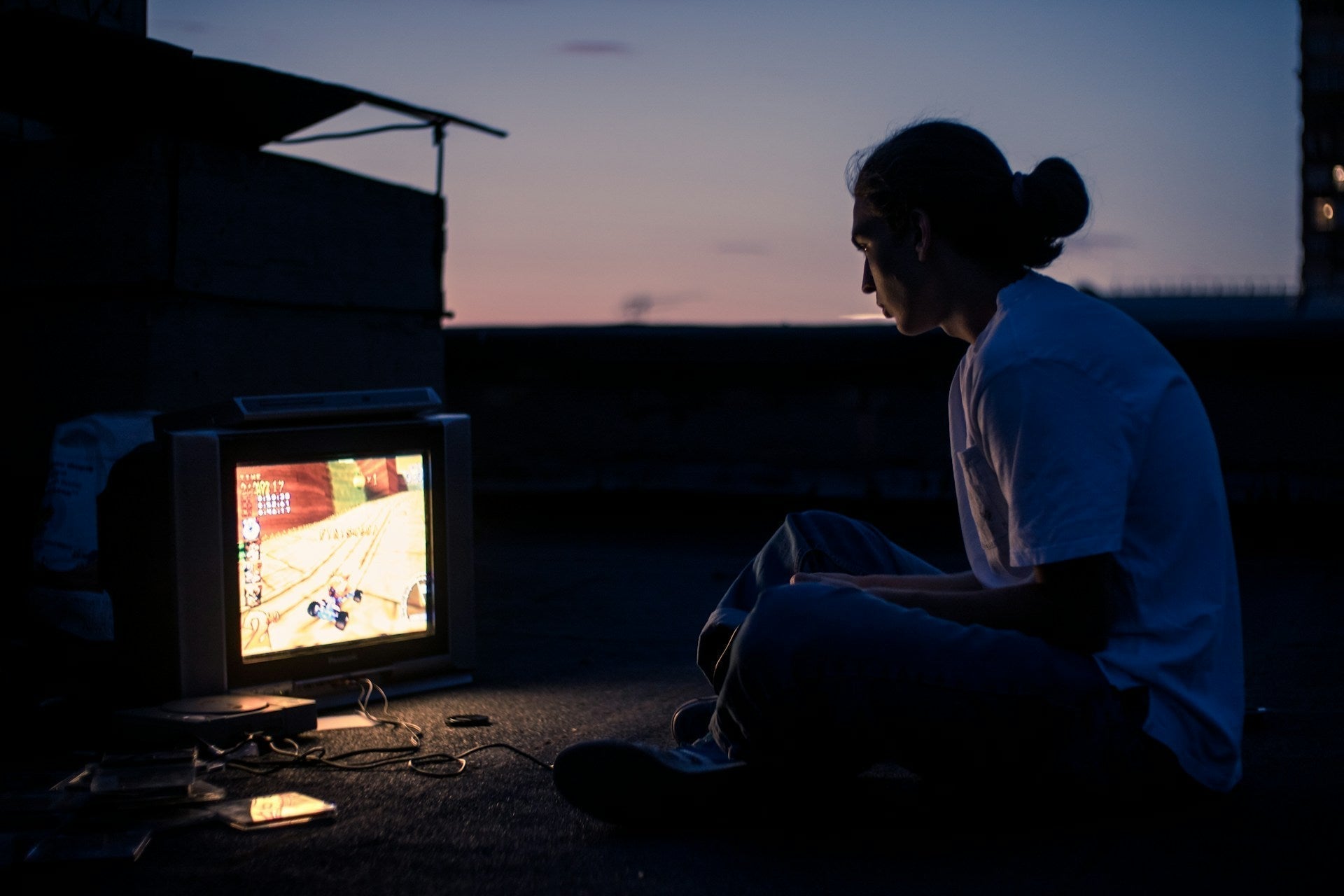
Once spring weather starts feeling nice, it’s pretty common to think about moving the TV outside. Whether it’s to catch a game from the patio, watch a movie under the stars, or enjoy some background noise during a cookout, that indoor screen seems like it should do the job. But the truth is, it probably won’t last long out there.
That’s why we want to talk about Why Residential TVs Struggle Outdoors Without Proper Hardware. Most people don’t realize how different outdoor environments are until something goes wrong. Even a quick setup on a partially covered deck can bring trouble for a standard home TV. Between random weather shifts, glare from the sun, and moisture in the air, those indoor screens run into problems fast.
What Makes Outside So Tough on TVs
Outdoors might feel calm and comfortable to us, but to a residential TV, it’s tough territory. Unlike climate-controlled living rooms, backyards and patios can throw a lot of curveballs.
-
Weather conditions change constantly. Even on a mild spring day, outdoor TVs deal with wind, rising humidity, drip from trees, and the surprise of rain moving in fast.
-
Direct sunlight and glare can make screens nearly impossible to see. It’s not just a brightness issue. Light bouncing off regular glass panels causes heavy reflections that block the picture.
-
Dust floats in from dry patches of ground, while bugs and pollen ride on spring breezes and settle right where we don’t want them. That dust and debris has a way of sneaking into vents and ports over time.
Even with partial shade or temporary covers, the outdoor space just moves differently. It comes with its own sounds, temperature swings, and unpredictable moments that strain electronics built for tight indoor spaces.
How Residential TVs Fall Short Outside
We might not think about how TVs are designed until we notice something wrong. But most residential models are built with one basic environment in mind: the indoors. That setup simply doesn’t cut it outside.
-
Most home TVs are not sealed against moisture or debris. That means water and particles can slip inside through vents, especially when the wind kicks up or humidity climbs.
-
The overheating problem is more common than people expect. When the sun hits an indoor TV, everything inside struggles. Even before the weather gets hot, just a few hours of direct sunlight can make it shut off or start to show screen damage.
-
Glare is a bigger deal outdoors than we’re used to inside. Indoor models are made to sit in soft, controlled lighting. Outside, the same TV turns into a mirror with bright reflections that make the image hard to enjoy.
We’ve seen a lot of setups that work for about a week, then slowly start showing trouble. Lines on the screen. Strange delays in sound. Buttons that stop working. It all points back to one simple mismatch, equipment meant for indoors trying to survive outdoors.
What Good Outdoor Hardware Does Differently
When equipment is made for outdoor use, the design tells the full story. It isn't just about waterproofing, it’s a lot of small protective changes that add up to steady performance and fewer headaches.
-
Outdoor TVs come in sealed enclosures. That means the parts inside aren't exposed to air, moisture, or wandering bugs. Everything is closed off, which helps keep things running smoothly.
-
The brightness levels are stronger. These screens are meant to be used in daylight, so they fight back against glare naturally. It feels more like watching indoors, even with sunlight around.
-
Coatings and protective materials help block UV damage and reduce wear from fast weather changes. Spring mornings can be pretty chilly, but afternoons heat up quick. That swing doesn’t throw off quality gear.
We don’t have to babysit outdoor hardware. Once it's installed, it’s able to ride out changes in weather, handle longer hours of use, and stay consistent even when the conditions around it shift.
Spring Is Sneaky: Why Now’s the Time to Check Your Setup
Spring doesn’t wait around. It rolls in with sunny days followed by surprise clouds, back-and-forth temps, and a mess of pollen in the air. That change gives indoor TVs an especially hard time if they’re used outside around this time.
-
Hot sun on cool mornings can build condensation inside screens. That moisture won't always ruin things day one, but over time, buildup leads to warped picture or complete shutdown.
-
Early spring brings wind and fast-moving rain. A patio TV that looks safe in the morning can take a hit by dinnertime just from one weather shift.
-
Guests coming over for games or dinner outside usually means the TV has to keep up. But if that indoor screen keeps flickering or overheating, we’re left trying to troubleshoot when we’d rather just relax.
This is the time of year when outdoor problems start to show themselves. Instead of waiting for a setup to glitch out in the middle of movie night, it helps to check ahead and make sure the equipment matches the space.
The unpredictable nature of spring is exactly why setups that do fine for a short stretch can suddenly start experiencing issues. Unseen condensation troubles, bits of blown-in debris, or a fast weather change might not become obvious until your screen flickers or your audio cuts out unexpectedly. Taking a little time for a pre-season check can reveal hidden problems and help you spot signs of early wear, saving you from scrambling for repairs or replacements later on. With the right preparation, you can count on your setup to perform whether the skies are cloudy or clear.
Peace of Mind That Lasts Beyond Spring
Outdoor electronics only work well when the setup is made to handle the space. With the right hardware in place, we don't need to cross our fingers every time the clouds roll in or someone bumps the table. Everything holds up better.
As spring turns into summer, the challenges for outdoor electronics don’t disappear. Instead, they often get more intense as days stretch longer and weather becomes hotter and more unpredictable. Reliable outdoor systems mean less worry about equipment shutting off mid-program or audio fading on a windy night. They’re built to withstand temperature swings, rainfall, and all the day-to-day impact that comes with living outside.
When spring crashes into summer and each week brings a little more heat and daylight, outdoor systems need to stay reliable. That’s easier to do when we’re not trying to make an indoor TV stretch beyond what it was made for. One small change in equipment can mean a season’s worth of smoother evenings and fewer mid-show surprises. And that’s the kind of comfort we want every time we step outside.
With the right equipment, you gain confidence that family movie nights, weekend games, and relaxing afternoons will go on as planned, season after season. There is no substitute for peace of mind when your outdoor setup delivers steady performance without constant intervention. By starting with the correct hardware for your conditions, you keep your focus on the fun parts of outdoor living instead of troubleshooting technology on the fly.
Getting the right setup for your yard starts with selecting screens designed for your unique outdoor space. Because every area is different, we offer models for sun, shade, and everything in between. For spots where sunlight shifts throughout the day, our partial sun options deliver impressive performance without the hassle of frequent adjustments or glare. At Titan Outdoor Televisions, we make transforming your outdoor space simple and dependable. If you have questions about choosing the best solution for your home, our team is here to help.


Please upload banner from store admin blog pages
