
How to Deal With Glare on a Partial Sun Outdoor TV
- by Brennan Haelig
-
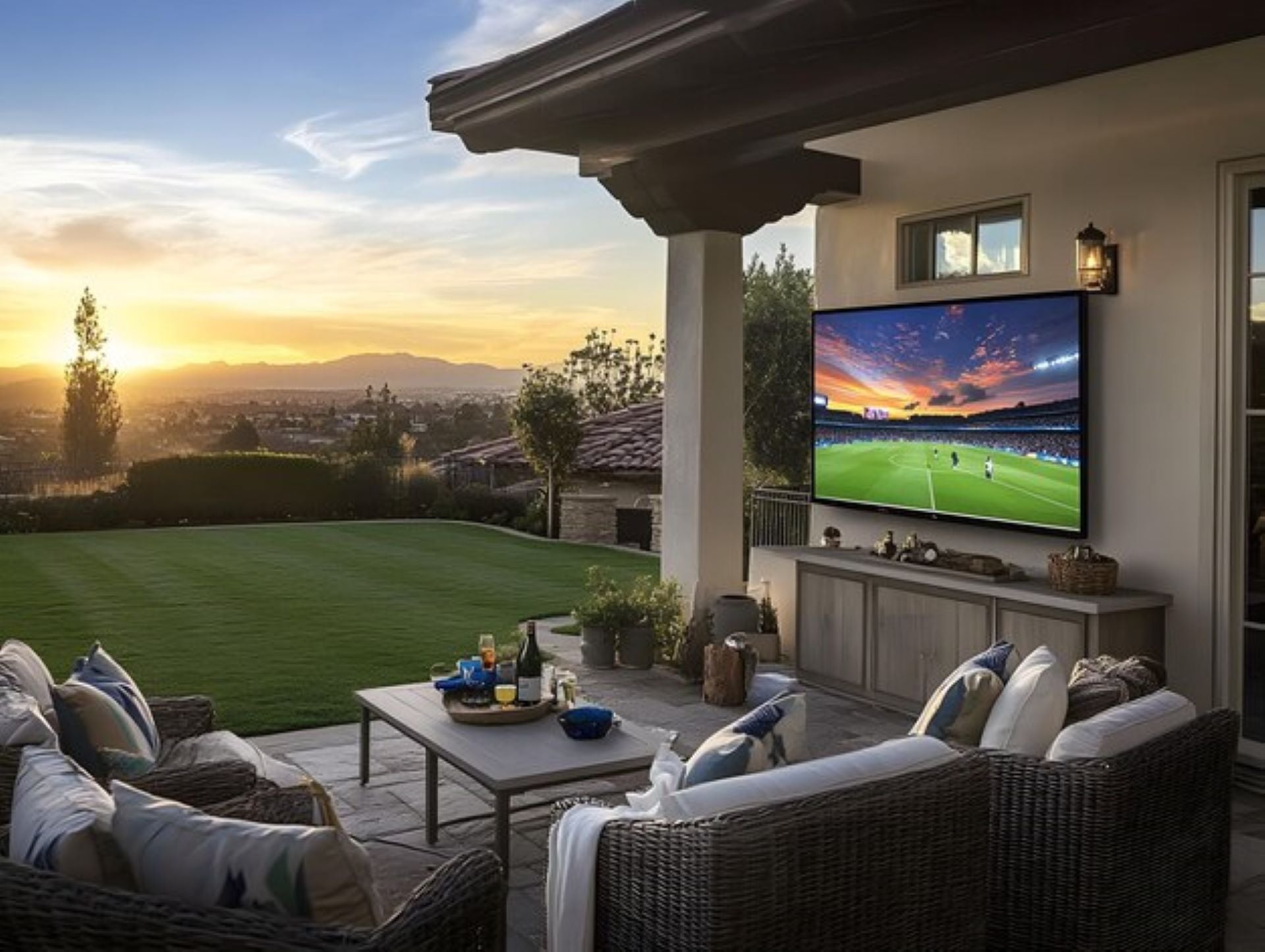
Watching TV outside can be a great way to enjoy cool fall nights and laid-back weekends. But anyone who’s tried it knows one thing can mess it all up pretty fast: glare. It happens more often in fall because the sun sits lower, casting longer shadows and bouncing light across your space in new ways. If you’re using a partial sun outdoor TV, you’ve already made a smart move for areas that get some sunlight throughout the day. These screens are built to handle reflections better than indoor models, but glare can still sneak up depending on where and how they're placed.
Fall light behaves differently than summer light. It rolls across the sky at a lower angle and often hits screens more directly in the late afternoon. That’s usually when gatherings start or games come on, so it’s not just annoying, it can throw off your whole setup. While you don’t have to tear everything down, it helps to know what’s actually causing the problem and how to fix it the right way as the seasons shift.
What Causes Glare on Outdoor TVs
Glare happens when light reflects off a screen and makes it hard to see what's playing. It doesn’t matter how clear or high-def the picture is, if the sun hits your screen just right (or just wrong), everything becomes a blur. This shows up more in the fall when the sun comes in from sharper angles. It starts dipping lower in the sky earlier in the day, and those long light beams can shine right into your outdoor space, especially from the southwest or west in the late afternoon.
A partial sun outdoor TV is built to deal with some of this. It’s not made for full-day direct sunlight, but it does handle some exposure. These models often have higher brightness levels and better anti-glare coatings than standard indoor TVs. That said, if the screen is placed just where the sun hits hardest during fall hours, even those features might struggle to keep up. The light doesn’t need to be direct to create poor viewing either. Light bouncing off nearby windows, fences, pools, or even white patio furniture can cause reflections that wash out the picture.
Screen Placement Matters a Lot
Glare isn’t always about the sun. Sometimes it’s about where the screen is sitting. Certain setups make it far more likely that light will hit the screen at a bad angle. One of the best ways to manage this is by taking a close look at the walls, fences, or structures nearby. They can either help or hurt, depending on how the sun hits your yard or patio during the afternoon.
The direction your screen faces is also a big deal. If it's facing west, those late-day fall rays will hit it right when most people are sitting down to watch. Facing north or south often gives better protection from direct sunlight, but that might depend on where you live and how your outdoor space is laid out.
Even small shifts in angle can make things better. We’ve seen setups where just turning the screen a few degrees, or moving the mount by a foot, reduces harsh glare by a lot. That kind of fine-tuning can be hard to do on your own, but it could be the key to getting clearer viewing when daylight starts changing again.
Use Shields, Shades, and Smart Mounts
Once the sun starts causing problems, physical barriers can help a lot. Affordable tools like TV hoods, pergolas, or overhead coverings make a big difference, especially later in the year when the light sits low across rooftops and treetops. These don't block the sun completely, but they soften the glare and give your screen a better shot at staying clear.
Another good move is using a tilting or articulating mount. These let you adjust the screen’s angle so it reflects less light. For outdoor use, it’s important that any mount you choose is actually made to handle weather changes. Materials that work fine inside can corrode or break down outside if they’re not sealed up right.
We also suggest keeping all cords and cables tucked properly and not exposed. Light can bounce off bright or messy wires, and over time, exposure to sun and cool air nights can wear them down. Even accessories like shades or visors can do more harm than good if they’re not made to be outdoors full time.
Factors to Think About for Fall Viewing
Fall viewing brings a whole new set of sun patterns. As daylight shifts, you might find that the screen gets hit by sunlight in ways it didn’t during the warmer months. One day your picture looks great, the next it’s hard to see. That’s because fall creates a different path for sunlight, and even cloud cover won't always help. Mixed light, from sun mixed with shadows or cloudy patches, can mess with brightness settings.
Cool night air may also lead to foggy buildup on the screen. This happens when the warm surface of your screen meets the cooler air trying to settle around it. Reflection gets worse when there's a light layer of moisture, and that can add an extra layer of blur.
Keep an eye on these fall-specific challenges:
• Lower sun angles mean light comes in sideways, not straight down
• Shadows shift fast, depending on trees, fences, or buildings nearby
• Cold nights can cause screen surfaces to fog, making glare worse
Adjusting for glare once temperatures drop isn't always about having the best TV. It’s about noticing changes, like when the sun starts landing on part of your outdoor area it used to miss. Small signs like longer shadows or dimming light mid-afternoon can help you figure things out before they get annoying.
Why Our TVs are Built for Partial Sun
At Titan Outdoor Televisions, our partial sun outdoor TVs are engineered with QLED technology and anti-glare coatings designed for patios and spaces that only get direct sunlight for part of the day. Our weatherproof models meet IP65 standards for dust and water protection, so you can leave your screen outside without worry as the seasons change. We focus on giving you the brightest, clearest picture possible, no matter how the afternoon light moves across your yard.
See Clearly and Enjoy More Time Outside
Glare doesn't have to ruin your fall setup. The more you spot where the light is causing problems, the easier it is to fix. Whether it's screen angle, shade, or mount position, a few smart changes go a long way.
Planning around how the light moves during fall means you get to keep watching outside even as the weather changes. With a partial sun outdoor TV in the right spot and some basic gear around it, you can stretch out your patio season with less hassle. Watching games or movies under a clear autumn sky should feel easy, not frustrating. A little prep now keeps things bright, sharp, and fun as the days get shorter.
At Titan Outdoor Televisions, we know how much the right screen setup can enhance your outdoor experience during the cooler months. Planning ahead for light shifts, shade options, and screen angles makes fall TV time even better. For a mixed-light space like a patio with afternoon sun, a partial sun outdoor TV could be ideal to keep your picture clear without extra hassle. We’re always happy to help you get the most out of your outdoor setup, contact us to get started.


Please upload banner from store admin blog pages
